How did he get the idea ?
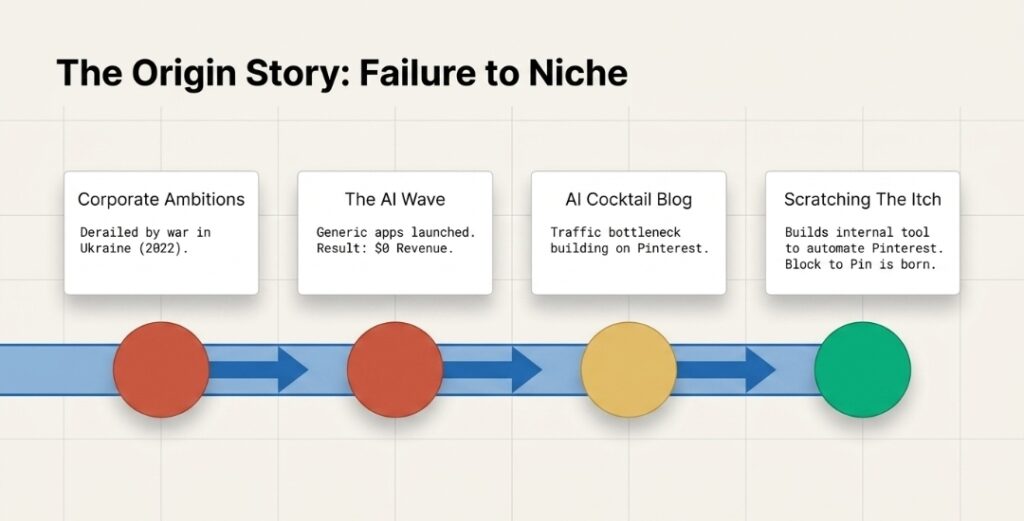
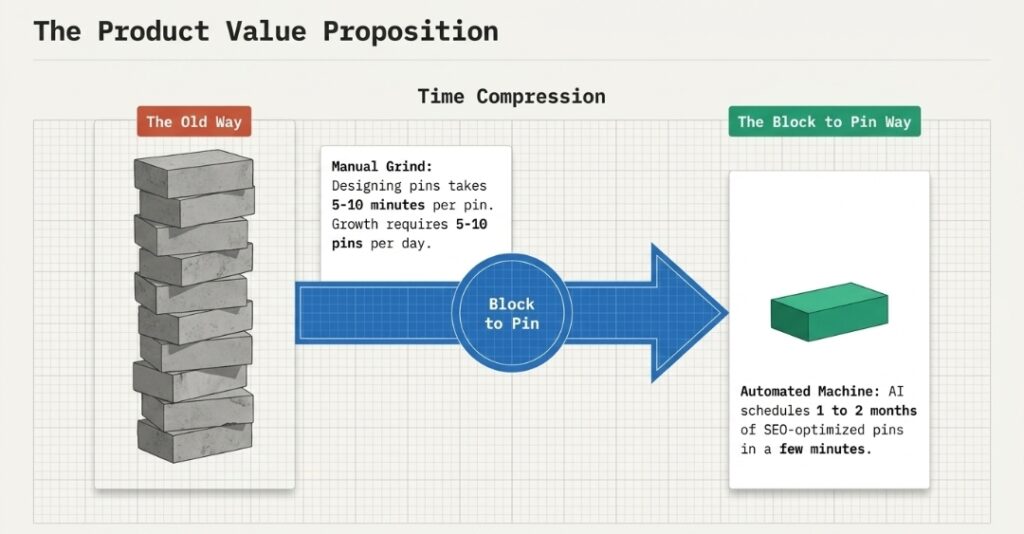
Nick initially built a few AI applications that failed and generated zero revenue. He then decided to pivot and create an AI-generated blog about his passion for cocktails. To drive traffic to this blog, he experimented with various platforms like Google, Instagram, Facebook, and Pinterest, and found that Pinterest was by far the most effective. However, he realized that manually designing the required 5 to 10 pins a day was a tedious process that took 5 to 10 minutes per image. After trying to hire someone to do this job, he realized he could solve his own pain point by building an automation tool, which eventually became his product.
What does the blocktoin do?
The product, called Blocktoin (or Block to Pin), is an automated marketing tool designed specifically for Pinterest. Think of Pinterest like a visual version of Google, where over 500 million people actively search for ideas and products. For a website or business to get noticed on Pinterest, they need to post about 5 to 10 images (called “pins”) every single day, which takes a lot of manual design time.
Blockchain takes over this boring work. A user simply types in their website link, and the software quickly scans the site to understand what it is about. It then automatically designs a variety of unique, high-quality images and schedules them to post on Pinterest automatically for months in advance. The tool also optimizes these posts so they show up better in search results and provides analytics so users can see which images are getting the most attention.
0-1000 User Framework and Distribution Strategy
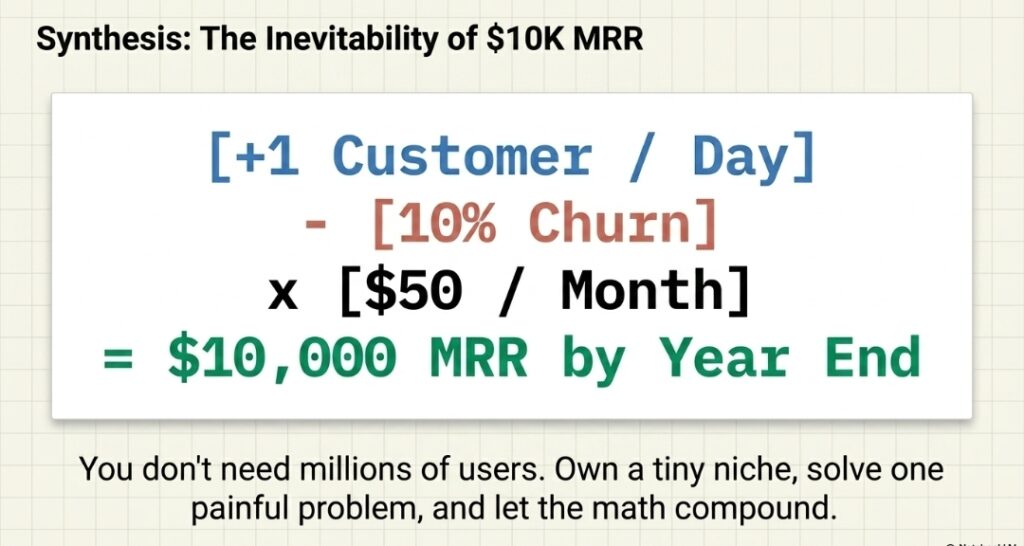
Nick’s exact 7-step framework for building and scaling a micro-SaaS is:
- Step 1: Find a problem people are already paying to solve rather than inventing a completely unique experience.
- Step 2: Research competitors using platforms like G2, AppSumo, Capterra, and YouTube to find customer pain points and see where they fail to properly utilize AI. Use this to plan an MVP that is faster, cheaper, and better for a specific niche.
- Step 3: Create the MVP quickly (in 1 to 2 weeks) using tools like Claude to help code.
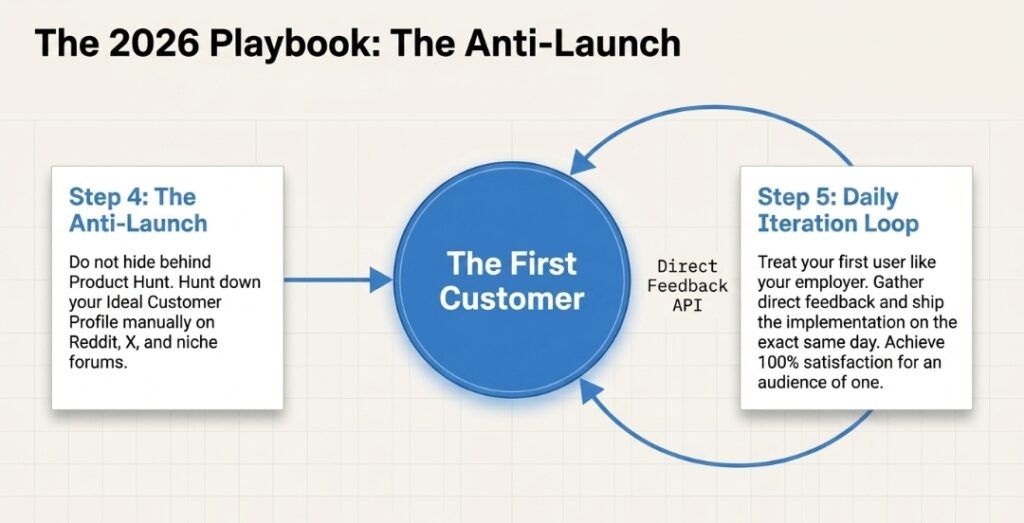
- Step 4: Manually find and talk to your Ideal Customer Profile (ICP). Do not hide behind passive directory submissions or Product Hunt launches; find real humans who will benefit from your app.
- Step 5: Treat your first customer like your employer. Review everything they do, ask for feedback, implement suggestions on the same day, and ensure they are 100% satisfied.
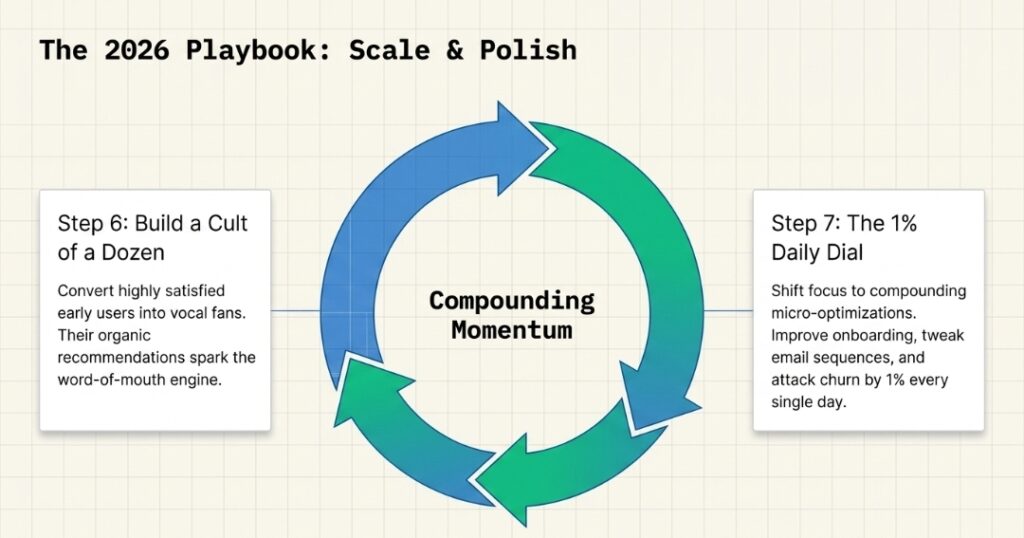
- Step 6: Repeat this for a few dozen people until the app provides immense value and your early customers turn into loyal fans who recommend you.
- Step 7: Keep improving the app by 1% every day (such as onboarding, emails, or churn rate) and slowly compound your growth.
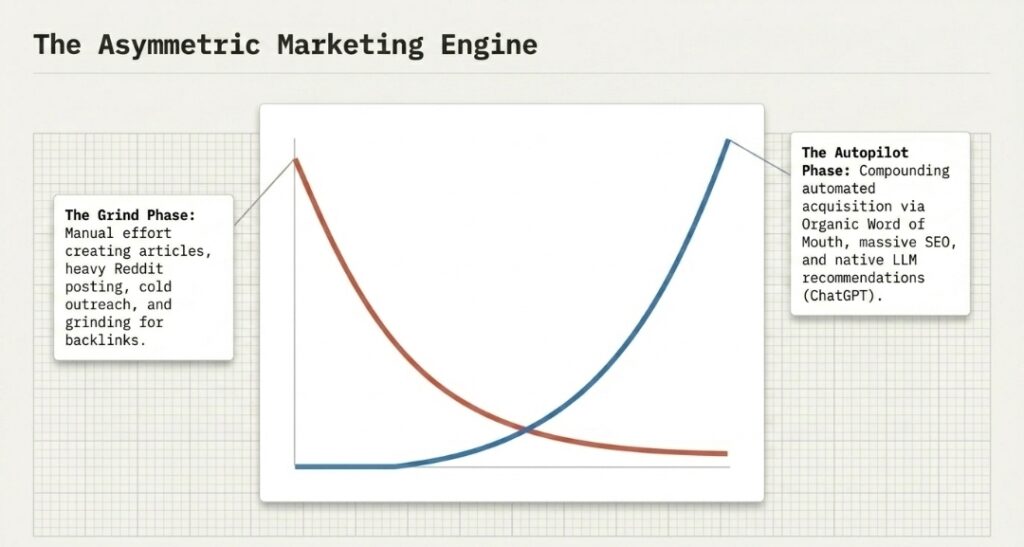
Distribution Strategy & Platforms Used: In the beginning, Nick grinded heavily by writing articles, reaching out to influencers, and struggling for backlinks. For direct distribution and finding early users, he utilized platforms like Twitter (X), Reddit, Facebook groups, YouTube, TikTok, Reels, and direct email outreach. Today, his growth is mostly automated through his three best marketing channels: word of mouth, affiliates, and SEO/LLM recommendations (like ChatGPT).
Tech Stack Used by nick
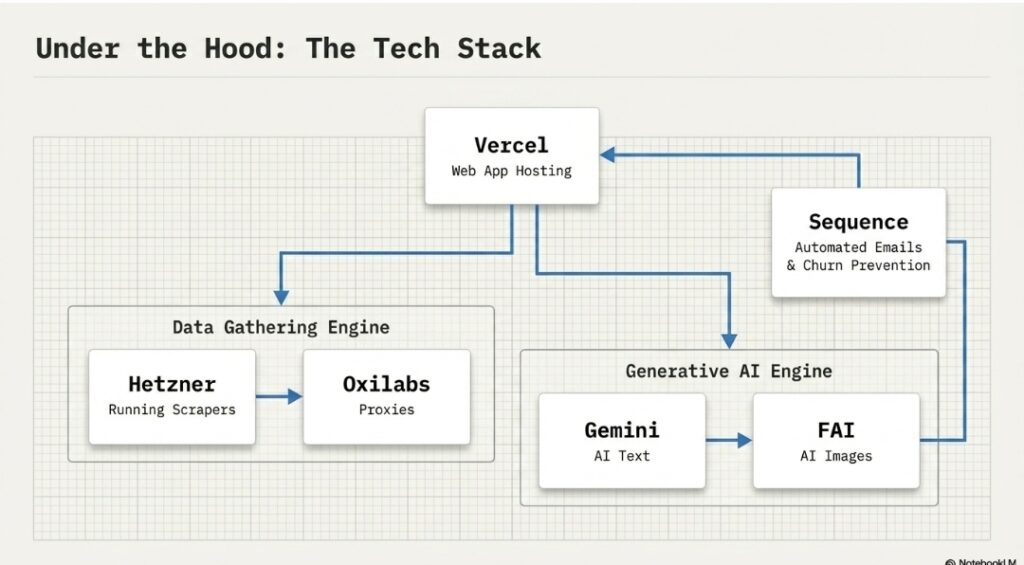
Nick originally used GitHub Copilot to help write the code for his initial build. His current technical stack consists of:
- Vercel: To host the web application.
- Hetzner: To run web scrapers on his server.
- Oxylabs: For proxy services.
- Gemini: For generating AI text.
- Fal AI: For generating AI images.
- Sequency: For sending emails and preventing customer churn.
- Stripe & Lemon Squeezy: Used as payment processors.
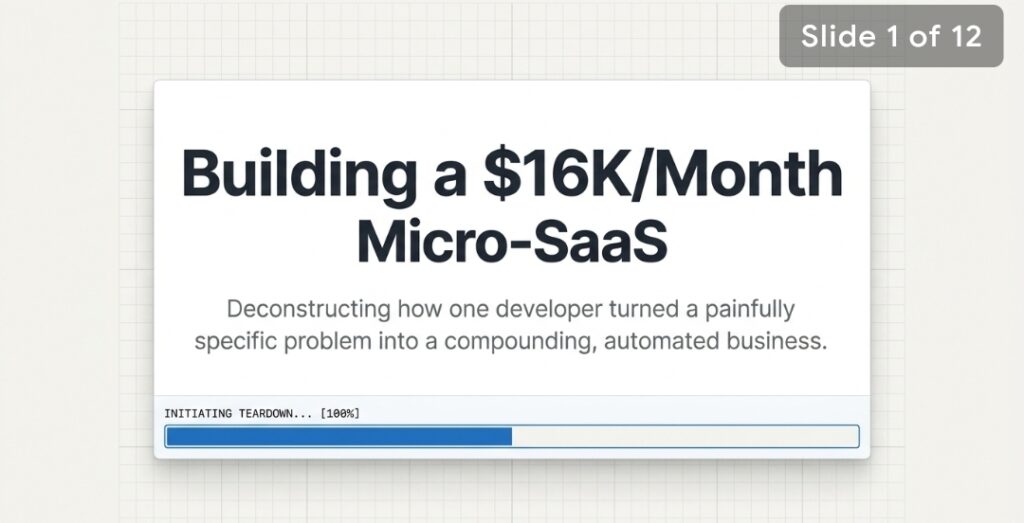
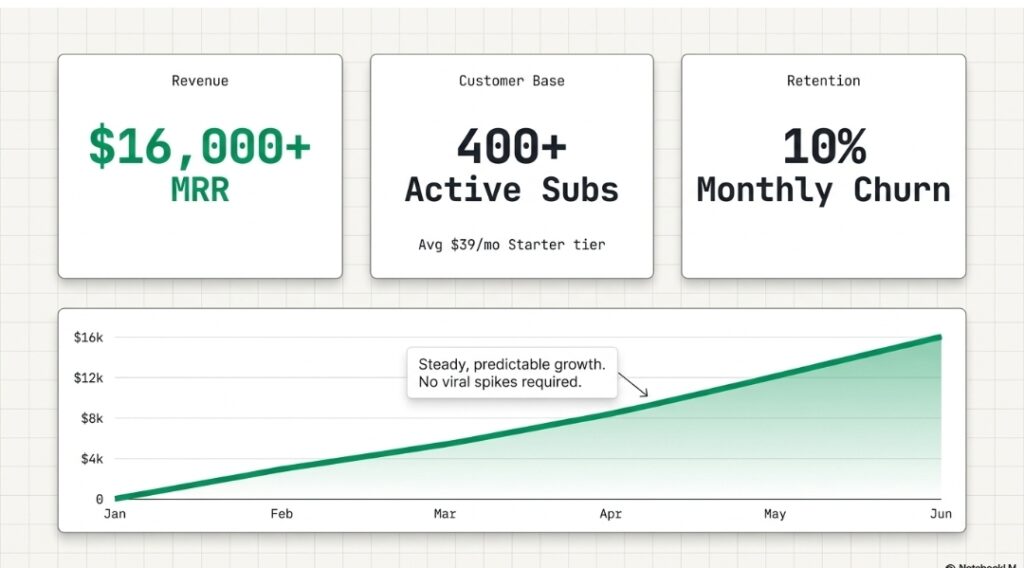
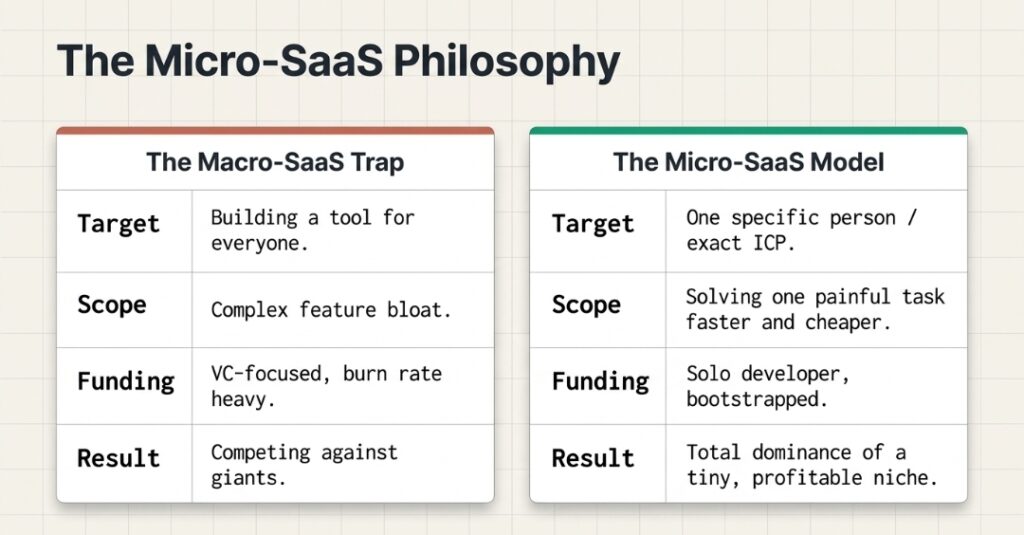
Slide Deck decodes Nick and his business
Read about – Startup Business Model
Read in – Startup Directory

Hi Friends, This is Swapnil; I love reading and sharing knowledge. Currently working as a content writer at startupsunion.com. You all can hang out with me here.