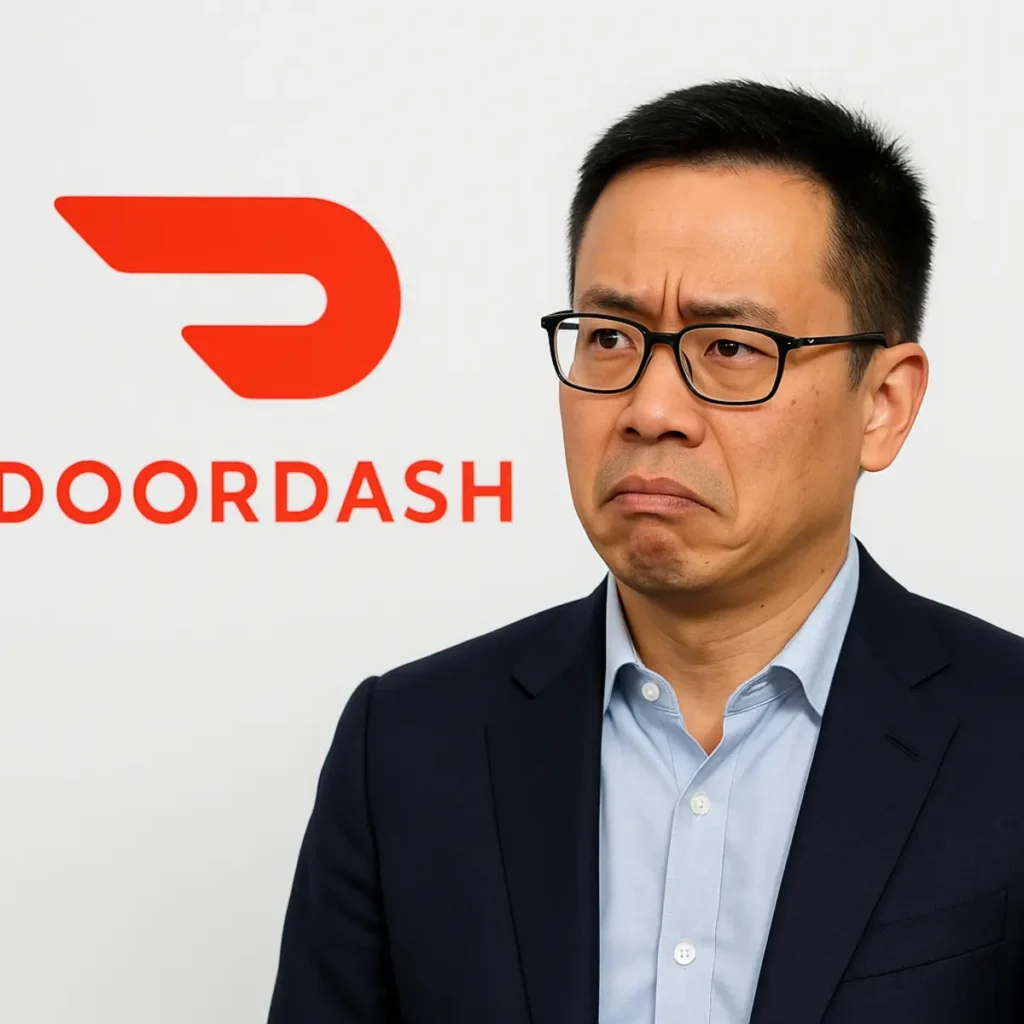
DoorDash was founded in 2013 by Stanford students Tony Xu, Stanley Tang, Andy Fang, and Evan Moore. The founders identified a significant problem in the food delivery landscape: small and medium-sized restaurants lacked the infrastructure and resources to offer delivery services to their customers. Unlike large chains with established delivery fleets, local restaurants were missing out on a growing consumer demand for convenient food delivery.
The solution was elegantly simple—create a technology platform that connects consumers with local restaurants while providing the logistics infrastructure for delivery. DoorDash would handle the complex operations of routing, driver management, and payment processing, allowing restaurants to focus on what they do best: preparing food.
The initial target audience was threefold. First, busy consumers seeking convenient meal delivery options, particularly in suburban areas underserved by existing delivery services. Second, local restaurants wanting to expand their reach without investing in delivery infrastructure. Third, independent contractors looking for flexible earning opportunities as delivery drivers, called “Dashers.” This three-sided marketplace approach allowed DoorDash to scale rapidly while addressing genuine market needs.
Competitive Advantage
DoorDash has established several key competitive advantages that differentiate it from rivals like Uber Eats, Grubhub, and Postmates:
- Suburban Market Dominance: While competitors focused on dense urban areas, DoorDash strategically targeted suburban markets where competition was minimal and demand was high.
- Superior Logistics Technology: DoorDash’s proprietary logistics platform optimizes delivery routes, reduces wait times, and improves overall efficiency, creating better experiences for all stakeholders.
- DashPass Subscription Program: This loyalty program offers unlimited free delivery for a monthly fee, increasing customer retention and order frequency.
- Merchant-Friendly Approach: DoorDash provides restaurants with analytics, marketing tools, and flexible partnership options, fostering stronger relationships with merchants.
- Extensive Driver Network: A large, reliable pool of Dashers ensures faster delivery times and broader geographic coverage.
How DoorDash Makes Money
DoorDash generates revenue through multiple streams:
- Commission Fees: Restaurants pay commissions ranging from 15% to 30% per order, depending on their partnership tier and marketing visibility preferences.
- Delivery Fees: Customers pay delivery fees ranging from $1.99 to $5.99 based on distance, demand, and membership status.
- Service Fees: An additional percentage-based service fee is charged to customers on each order.
- DashPass Subscriptions: Monthly subscription fees of $9.99 provide recurring revenue while encouraging customer loyalty.
- Advertising Revenue: Restaurants pay for promoted listings and enhanced visibility on the platform.
- DoorDash Drive: A white-label delivery service for businesses needing fulfilment solutions.
Market Share
DoorDash commands a dominant position in the U.S. food delivery market. As of recent data, DoorDash holds approximately 65-67% of the U.S. food delivery market share, making it the clear industry leader. Uber Eats follows with roughly 23%, while Grubhub accounts for approximately 8%. This market leadership represents a remarkable achievement considering DoorDash was a late entrant compared to Grubhub. The company has also expanded internationally, operating in Canada, Australia, Japan, and several European countries, though its international market share remains smaller than domestic figures.
Business Model Canvas of DoorDash
Key Partners
Restaurants, Dashers (delivery drivers), payment processors, mapping services, cloud infrastructure providers.
Key Activities
Platform development, logistics optimisation, marketing, customer support, driver recruitment and management.
Key Resources
Technology platform, driver network, restaurant partnerships, customer data, brand reputation.
Value Propositions
Convenience for consumers, expanded reach for restaurants, flexible income for Dashers.
Customer Relationships
App-based self-service, customer support, loyalty programmes, personalised recommendations.
Channels
Mobile application, website, restaurant tablet systems, marketing campaigns.
Customer Segments
Food consumers, restaurants of all sizes, independent delivery contractors.
Cost Structure
Driver payments, technology infrastructure, marketing, customer acquisition, employee salaries.
Revenue Streams
Commissions, delivery fees, service fees, subscriptions, advertising.
Conclusion
DoorDash demonstrates characteristics of a viable long-term business. Its market dominance, diversified revenue streams, and strong network effects create significant competitive moats. The company achieved profitability milestones and continues expanding into adjacent markets including grocery, convenience, and alcohol delivery.
However, challenges persist. Intense competition, regulatory pressures regarding driver classification, and thin margins require constant innovation. Restaurant commission disputes and customer price sensitivity also present ongoing concerns.
Despite these challenges, DoorDash’s scale, technology advantages, and market leadership position it favourably for sustained success. The company has proven adaptable and continues evolving beyond pure food delivery, suggesting a viable business model built for longevity.

Hi Friends, This is Swapnil, I am a content writer at startupsunion.com