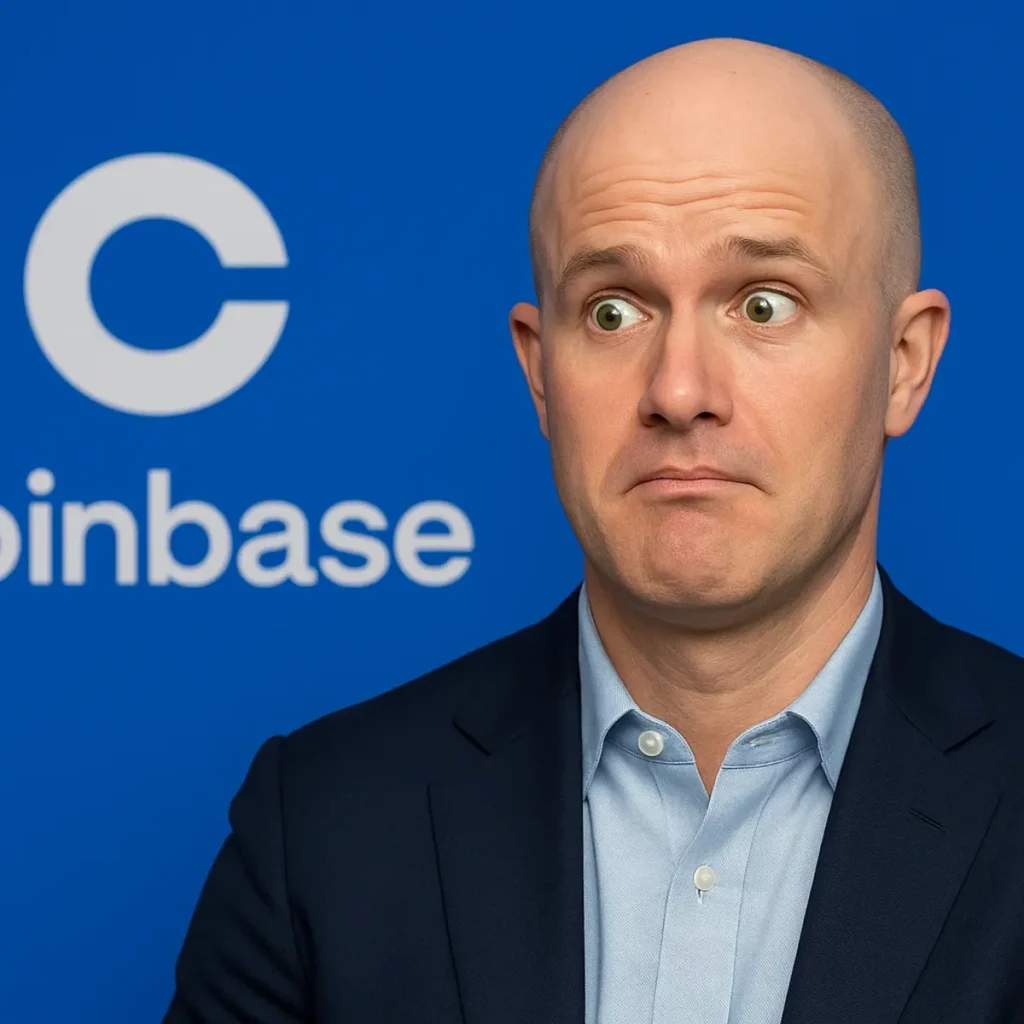
Coinbase was founded in June 2012 by Brian Armstrong and Fred Ehrsam in San Francisco, California. The company emerged during a time when Bitcoin was gaining attention but remained largely inaccessible to average consumers.
How It Started
The Problem: In the early 2010s, purchasing cryptocurrency was a complicated and risky process. Users had to navigate technical complexities, deal with unreliable exchanges, and face significant security concerns. The existing platforms were designed for tech-savvy individuals, leaving mainstream consumers without a safe and simple way to buy, sell, and store digital currencies.
The Solution: Armstrong and Ehrsam envisioned creating a trusted, user-friendly platform that would make cryptocurrency accessible to everyone. Coinbase simplified the buying process by allowing users to purchase Bitcoin using traditional payment methods like bank transfers and credit cards. The platform prioritised security, regulatory compliance, and an intuitive interface.
Target Audience: Coinbase primarily targets retail investors seeking easy entry into cryptocurrency markets, institutional investors requiring secure custody solutions, and businesses wanting to accept cryptocurrency payments. The platform caters to both beginners and experienced traders through its standard and advanced trading interfaces.
Competitive Advantage
Coinbase maintains several key competitive advantages in the cryptocurrency exchange market:
- Regulatory Compliance: Coinbase operates as a fully regulated entity in multiple jurisdictions, holding licences in the United States and internationally. This compliance builds trust among users and institutional investors.
- Security Infrastructure: The platform stores 98% of customer funds in offline cold storage and maintains insurance coverage for digital assets, significantly reducing hack risks.
- Brand Recognition: As one of the earliest mainstream exchanges, Coinbase has established strong brand awareness and trust among cryptocurrency users.
- User Experience: The platform offers an exceptionally simple interface that allows beginners to purchase cryptocurrency within minutes.
- Public Company Status: Coinbase went public on NASDAQ in April 2021, adding transparency and credibility that private competitors cannot match.
- Institutional Services: Coinbase Prime and Custody services attract hedge funds, corporations, and financial institutions seeking secure cryptocurrency exposure.
How Coinbase Makes Money
Coinbase generates revenue through multiple streams:
Transaction Fees: The primary revenue source comes from trading fees charged on each buy and sell transaction. Retail users typically pay between 0.5% to 4.5% depending on payment method and transaction size.
Subscription and Services Revenue: This includes Coinbase One subscriptions, staking rewards commissions, and blockchain infrastructure services.
Custodial Fees: Institutional clients pay fees for secure storage of large cryptocurrency holdings.
Interest Income: Coinbase earns interest on customer cash holdings and USDC stablecoin reserves.
Coinbase Card: The company earns interchange fees when users spend cryptocurrency through its Visa debit card.
Market Share
Coinbase holds approximately 10-12% of the global cryptocurrency exchange market share by trading volume. In the United States, Coinbase dominates with roughly 50% market share among regulated exchanges. The platform serves over 110 million verified users across more than 100 countries. As of early 2026, Coinbase manages approximately $250-300 billion in assets under custody. Key competitors include Binance, Kraken, and emerging decentralised exchanges.
Business Model Canvas of Coinbase
Key Partners
Banking institutions, blockchain networks, payment processors, regulatory bodies, and institutional investors.
Key Activities
Operating trading platform, ensuring security, regulatory compliance, product development, and customer support.
Key Resources
Technology infrastructure, security systems, regulatory licences, brand reputation, and user base.
Value Proposition
Secure, simple cryptocurrency trading; regulatory compliance; and institutional-grade custody.
Customer Relationships
Self-service platform, educational resources, and premium support for institutional clients.
Channels
Mobile app, web platform, API services, and Coinbase Prime portal.
Customer Segments
Retail investors, institutional investors, developers, and businesses.
Cost Structure
Technology development, security infrastructure, regulatory compliance, marketing, and employee compensation.
Revenue Streams
Transaction fees, subscription services, custodial fees, interest income, and card interchange fees.
Conclusion
Coinbase represents a viable and sustainable business model in the evolving cryptocurrency industry. Despite facing challenges from market volatility, regulatory uncertainty, and increasing competition, Coinbase has demonstrated resilience through revenue diversification and continuous innovation.
The company’s commitment to regulatory compliance positions it favourably as governments worldwide establish clearer cryptocurrency frameworks. Its public company status, strong brand recognition, and institutional services create meaningful barriers to entry for competitors.
While profitability fluctuates with cryptocurrency market cycles, Coinbase’s expanding product ecosystem and dominant U.S. market position suggest long-term viability as digital assets become increasingly mainstream in global finance.

Hi Friends, This is Swapnil, I am a content writer at startupsunion.com