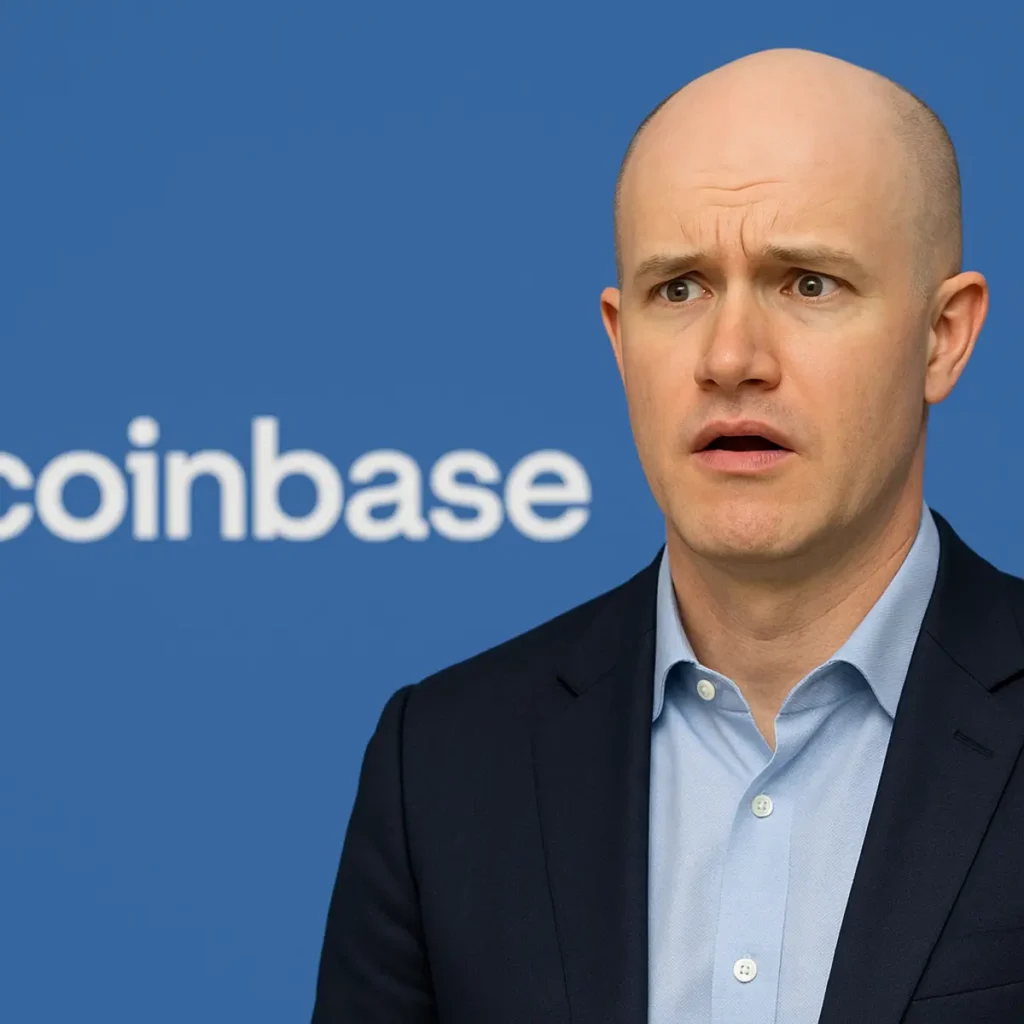
Coinbase was founded in June 2012 by Brian Armstrong and Fred Ehrsam in San Francisco, California. The company emerged during cryptocurrency’s early days when Bitcoin was still a niche concept understood by few.
How It Started
The Problem: In 2012, buying Bitcoin was extremely complicated. Users had to navigate obscure forums, deal with untrustworthy sellers, and manage complex wallet technologies. The process was intimidating, insecure, and inaccessible to average consumers. This technical barrier prevented mainstream adoption of cryptocurrency.
The Solution: Armstrong and Ehrsam envisioned creating a simple, secure, and user-friendly platform that would allow anyone to buy, sell, and store cryptocurrencies. They wanted to build the “Gmail of Bitcoin” – a service so intuitive that even non-technical users could participate in the cryptocurrency economy. Coinbase provided a regulated, trustworthy bridge between traditional finance and digital assets.
Target Audience: Initially, Coinbase targeted retail investors and cryptocurrency enthusiasts who wanted a safe entry point into digital assets. Over time, the platform expanded to serve institutional investors, businesses seeking to accept cryptocurrency payments, and developers building blockchain applications. Today, Coinbase serves over 100 million verified users across more than 100 countries.
Competitive Advantage
Coinbase has established several key competitive advantages that distinguish it from rivals:
- Regulatory Compliance: Coinbase operates as a fully regulated entity in the United States, holding licences in all states where required. This compliance builds trust with cautious investors and institutional clients.
- Brand Recognition: As the first major U.S. cryptocurrency exchange, Coinbase enjoys significant brand awareness and consumer trust, particularly among newcomers to cryptocurrency.
- User Experience: The platform’s intuitive interface makes cryptocurrency accessible to beginners, lowering barriers to entry that competitors often maintain.
- Security Infrastructure: Coinbase stores 98% of customer funds in cold storage and maintains robust insurance policies, addressing security concerns that plague the industry.
- Public Company Status: As the first major cryptocurrency company to go public (NASDAQ: COIN in April 2021), Coinbase benefits from enhanced credibility and transparency.
- Institutional Services: Through Coinbase Prime and Custody services, the company attracts large-scale investors with enterprise-grade solutions.
How Coinbase Makes Money
Coinbase generates revenue through multiple streams:
Transaction Fees
The primary revenue source comes from trading fees charged on each buy, sell, or conversion. Retail users typically pay between 0.5% and 4.5% per transaction, while professional traders on Coinbase Pro pay lower fees based on volume.
Subscription and Services Revenue
This includes Coinbase One (a premium subscription), staking rewards commissions, custody fees for institutional clients, and interest earned on USDC holdings.
Interest Income
Coinbase earns interest on customer fiat balances held on the platform and from lending activities.
Blockchain Rewards
The company receives compensation for validating transactions on proof-of-stake networks.
Market Share
Coinbase commands approximately 10-12% of the global cryptocurrency exchange market by trading volume. In the United States specifically, Coinbase dominates with roughly 50% market share among regulated exchanges. The company faces competition from Binance (globally the largest exchange), Kraken, Gemini, and newer entrants like Robinhood’s crypto platform. Despite market fluctuations, Coinbase consistently ranks among the top five global exchanges by trading volume.
Business Model Canvas of Coinbase
- Key Partners: Banks, payment processors, blockchain networks, regulatory bodies, institutional investors
- Key Activities: Operating exchange platform, ensuring security, maintaining regulatory compliance, developing new products
- Key Resources: Technology infrastructure, security systems, licences, brand reputation, talent
- Value Propositions: Easy cryptocurrency access, security, regulatory compliance, educational resources
- Customer Relationships: Self-service platform, customer support, educational content, community engagement
- Channels: Mobile app, web platform, API services, Coinbase Pro
- Customer Segments: Retail investors, institutional clients, developers, businesses
- Cost Structure: Technology development, compliance, marketing, customer support, security
- Revenue Streams: Transaction fees, subscription services, interest income, staking commissions
Conclusion
Coinbase represents a viable and sustainable business model in the evolving cryptocurrency landscape. Despite facing challenges including market volatility, regulatory scrutiny, and intense competition, the company possesses fundamental strengths that support long-term viability. Its regulatory-first approach, strong brand recognition, diversified revenue streams, and expanding institutional services provide resilience against market downturns.
While cryptocurrency markets remain volatile, Coinbase’s position as a trusted gateway between traditional finance and digital assets positions it well for continued relevance as cryptocurrency adoption grows globally. The company’s ability to adapt, maintain compliance, and expand services suggests it will remain a significant player in the digital asset economy for years to come.

Hi Friends, This is Swapnil, I am a content writer at startupsunion.com