How It Started
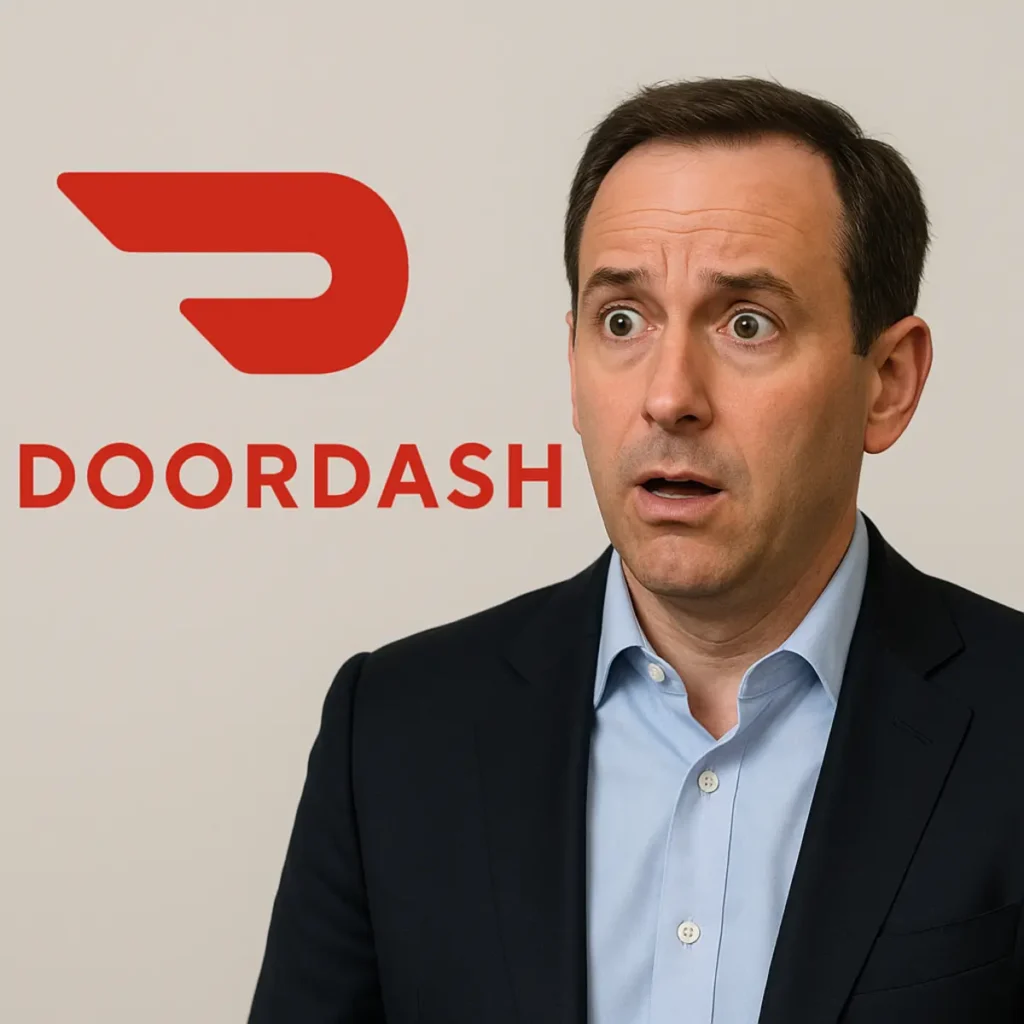
DoorDash was founded in 2013 by four Stanford University students: Tony Xu, Stanley Tang, Andy Fang, and Evan Moore. The founding team identified a significant problem while conducting research for a class project—small business owners, particularly restaurant operators, struggled to offer delivery services due to high costs and logistical challenges.
The problem was clear: restaurants wanted to reach more customers through delivery, but building and maintaining their own delivery infrastructure was economically unfeasible. Meanwhile, consumers increasingly demanded convenience and the ability to order food from their favourite restaurants without leaving their homes.
The solution DoorDash created was a technology-driven logistics platform connecting three key parties: restaurants seeking expanded reach, customers wanting convenient food delivery, and independent contractors (Dashers) looking for flexible earning opportunities. The platform handled everything from order processing to delivery routing, eliminating the need for restaurants to manage their own delivery operations.
The initial target audience consisted of suburban restaurants and customers—a deliberate strategy that differentiated DoorDash from competitors who primarily focused on dense urban markets. This approach allowed DoorDash to capture underserved markets while building operational expertise before expanding into competitive metropolitan areas.
Competitive Advantage
DoorDash has established several competitive advantages that have propelled it to industry leadership:
- Suburban Market Dominance: By focusing early on suburban areas, DoorDash built strong relationships with restaurants and customers in regions competitors overlooked, creating lasting market presence.
- Superior Logistics Technology: DoorDash’s proprietary algorithms optimise delivery routes, predict order volumes, and efficiently match Dashers with orders, resulting in faster deliveries and better customer experiences.
- DashPass Subscription Program: This loyalty program offers subscribers reduced fees and free delivery on eligible orders, creating recurring revenue and customer retention.
- Extensive Restaurant Partnerships: DoorDash maintains exclusive partnerships with major national chains alongside local restaurants, offering customers unmatched variety.
- Diversified Services: Beyond restaurant delivery, DoorDash expanded into grocery, convenience store, alcohol, and package delivery through DoorDash Drive and DoorDash Storefront products.
How DoorDash Makes Money
DoorDash generates revenue through multiple streams:
- Commission Fees: Restaurants pay DoorDash a commission ranging from 15% to 30% per order, depending on the service tier selected. Higher commissions provide greater visibility and marketing support on the platform.
- Delivery Fees: Customers pay delivery fees ranging from $1.99 to $5.99 or higher, depending on distance, demand, and restaurant partnerships.
- Service Fees: A percentage-based service fee (typically 10-15%) is added to customer orders to support platform operations.
- DashPass Subscriptions: Customers pay $9.99 monthly for reduced fees and free delivery benefits, creating predictable recurring revenue.
- Advertising Revenue: Restaurants pay for promoted listings and enhanced visibility within the app, a rapidly growing revenue segment.
- DoorDash Drive: White-label delivery services for businesses needing fulfilment solutions generate B2B revenue.
Market Share
As of 2024, DoorDash commands approximately 67% of the U.S. food delivery market share, making it the undisputed leader in the American market. Uber Eats holds roughly 23% market share, while Grubhub accounts for approximately 8%.
DoorDash achieved this dominant position through aggressive expansion, strategic acquisitions (including Caviar in 2019 and Wolt in 2022), and consistent focus on operational excellence. Internationally, DoorDash has been expanding through Wolt’s strong European and Asian presence, though it faces stiffer competition from regional players abroad.
Business Model Canvas of DoorDash
Key Partners
Restaurants, grocery stores, Dashers, payment processors, cloud service providers
Key Activities
Platform development, logistics optimisation, marketing, Dasher recruitment
Key Resources
Technology platform, Dasher network, brand recognition, data analytics capabilities
Value Proposition
Convenience for customers, expanded reach for merchants, flexible income for Dashers
Customer Relationships
App-based self-service, customer support, DashPass loyalty program
Channels
Mobile app, website, merchant partnerships
Customer Segments
Consumers, restaurants, grocery stores, convenience stores, enterprise clients
Cost Structure
Dasher payments, technology infrastructure, marketing, customer support, insurance
Revenue Streams
Commissions, delivery fees, service fees, subscriptions, advertising
Conclusion
DoorDash represents a viable and increasingly profitable business. After years of losses typical of growth-stage technology companies, DoorDash achieved GAAP profitability in 2023, demonstrating that its business model can generate sustainable returns.
The company’s dominant market position, diversified revenue streams, expanding service categories, and international growth through Wolt position it well for long-term success. While challenges remain—including regulatory pressures regarding gig worker classification, competitive threats, and economic sensitivity—DoorDash’s technological capabilities, brand strength, and operational scale provide a solid foundation for continued viability in the evolving delivery economy.

Hi Friends, This is Swapnil, I am a content writer at startupsunion.com